NHASA

Categories
Blogs

Significance of Halal Meat: Religious, and Compliance Perspective

Halal meat holds religious, ethical, and regulatory importance within Islamic dietary law. It represents a structured system of lawful sourcing, humane treatment, hygienic slaughter, and controlled processing aligned with Shariah principles. For Muslim consumers, Halal meat is a religious obligation, while for businesses it is a defined compliance framework that supports market access and consumer trust. As global demand for Halal-certified products continues to grow, understanding the significance of Halal meat becomes essential not only from a religious perspective but also from an operational and quality assurance standpoint.

What Is Halal Meat?

Halal meat refers to meat derived from animals that are permissible under Islamic law and slaughtered according to prescribed Shariah guidelines. The term “Halal” means lawful, and in the context of meat it covers species selection, slaughter method, invocation during slaughter, blood drainage, hygiene standards, and contamination control. Halal compliance extends beyond the act of slaughter and includes sourcing, handling, storage, processing, and transportation. Therefore, Halal meat represents a comprehensive system of religious and operational integrity rather than a single procedural requirement.

You May Also Like: Common Halal Compliance Mistakes in Meat Processing

Top 10 Significance of Halal Meat

1. Religious Obligation for Muslims

Halal meat is essential for Muslims as it fulfills a core religious requirement defined in Islamic teachings and daily practice. It ensures that food consumption aligns with Shariah laws, strengthening spiritual discipline, moral responsibility, and overall religious accountability in everyday life.

2. Ethical and Humane Animal Treatment

Halal standards require animals to be treated with care, dignity, and respect throughout their lifecycle and before slaughter. The process is designed to minimize pain, fear, and suffering, promoting responsible livestock handling and ethical farming practices in modern meat production systems.

3. Strong Hygiene and Food Safety Standards

Halal production enforces strict cleanliness, sanitation, and structured hygiene protocols at every stage of processing. These standards align with global food safety systems like HACCP, ensuring safer consumption, reduced contamination risks, and improved overall product quality.

Helpful for you: Is Lab-Grown Meat Halal?

4. Complete Blood Removal for Purity

Islam strictly prohibits the consumption of blood, making proper drainage a critical requirement in Halal meat processing. Efficient blood removal enhances meat purity, extends shelf life, reduces bacterial growth, and supports both religious compliance and hygienic quality standards.

5. Transparency and Traceability Across Supply Chain

Halal certification requires complete documentation and traceability from farm to final consumer delivery. This structured system improves accountability, ensures proper sourcing verification, and helps businesses maintain clear records for audits, inspections, and regulatory compliance.

6. Prevention of Cross-Contamination

Strict segregation between Halal and non-Halal products is mandatory throughout processing, storage, and transportation stages. This prevents contamination risks, protects product integrity, and ensures that Halal standards are maintained consistently across shared facilities and operations.

7. Consumer Trust and Confidence

Halal certification builds strong consumer confidence by verifying that products meet both religious and quality standards. Clear labeling, certification logos, and audit-backed compliance help consumers make informed purchasing decisions and trust the authenticity of the product.

8. Global Market Access and Export Opportunities

Halal-certified meat is widely accepted in international markets, especially in Muslim-majority countries. Certification enables businesses to expand exports, meet regulatory requirements, and tap into the rapidly growing global Halal food industry with confidence.

Must Read: How to Get Your Slaughterhouse Approved

9. Alignment with Tayyib (Wholesome) Principles

Halal is closely linked with the concept of Tayyib, meaning pure, safe, and wholesome food. This principle ensures that products are not only lawful but also hygienic, high-quality, and produced under ethical and responsible conditions.

10. Regulatory and Certification Oversight

Halal-certified facilities undergo regular audits, inspections, and supervisory checks by recognized certification bodies. This continuous oversight ensures compliance, reduces operational risks, and helps businesses maintain consistent standards across all production stages.

Core Requirements for Halal Meat

  • Permissible Animal Species: Halal meat must come from lawful animals such as cattle, sheep, goats, and poultry that are approved under Islamic law. Prohibited animals, including pigs and carnivorous species, are strictly forbidden, making species verification a critical first step in compliance.
  • Proper Islamic Slaughter (Zabiha): The slaughter must be performed by a sane adult Muslim who invokes the name of Allah at the time of slaughter. A swift and precise cut ensures proper blood flow, minimizes suffering, and fulfills essential Shariah requirements for lawful meat consumption.
  • Complete Blood Drainage: All blood must be effectively drained from the animal during slaughter, as consuming blood is prohibited in Islam. Proper bleeding improves hygiene, reduces contamination risks, and enhances the overall safety and quality of the meat product.
  • Invocation (Tasmiyah): The recitation of the name of Allah during slaughter is a mandatory requirement in Halal processing. This act reinforces spiritual accountability and ensures that the slaughter aligns with Islamic teachings and religious obligations.
  • Prevention of Cross-Contamination: Halal meat must be strictly separated from non-Halal products during handling, storage, and transportation. Facilities must implement validated cleaning procedures and segregation controls to maintain compliance and avoid any contamination risks.

You May Also Like: Halal vs Halal-Friendly: What’s the Difference?

Religious Significance of Halal Meat

  • Obedience to Divine Command: Consuming Halal meat is seen as fulfilling a direct command from Allah, strengthening faith and reinforcing commitment to Islamic principles.
  • Spiritual Accountability: Halal consumption reflects obedience to Allah and reinforces a Muslim’s responsibility to follow divine guidance in all aspects of life, including food choices and daily habits.
  • Connection Between Diet and Worship: Islamic teachings emphasize that lawful food directly impacts the acceptance of prayers and acts of worship, making Halal consumption spiritually significant.
  • Moral and Ethical Discipline: Following Halal guidelines promotes self-discipline, ethical awareness, and conscious decision-making in everyday consumption and lifestyle choices.
  • Purity in Consumption: Halal ensures that food is clean, lawful, and free from prohibited elements, supporting both physical well-being and spiritual purity.

Must Read: Halal Requirements for Seafood Processing in Australia

How NHASA Can Help You?

NHASA provides structured Halal certification services for meat producers, slaughterhouses, processors, and exporters. Our services include documentation review, on-site audits, Shariah compliance verification, and implementation of Halal assurance systems aligned with regulatory requirements. We work closely with businesses to strengthen operational controls, prevent cross-contamination, and maintain continuous compliance. Through recognized certification and supervisory oversight, NHASA supports market access, regulatory adherence, and long-term consumer trust.

Conclusion

The significance of Halal meat extends beyond religious observance into ethical responsibility, operational integrity, and global market relevance. From species selection and slaughter requirements to hygiene, traceability, and certification, Halal meat represents a comprehensive compliance system rooted in Islamic law. As demand continues to expand globally, businesses and consumers alike benefit from understanding and implementing structured Halal standards.

FAQs

What makes meat Halal?

Meat is Halal when it comes from a permissible animal slaughtered according to Islamic guidelines, with proper invocation, blood drainage, and contamination control.

Is stunning allowed in Halal slaughter?

Stunning is permitted in some jurisdictions if it does not cause death prior to slaughter and meets Shariah conditions.

Can non-Muslims eat Halal meat?

Yes, Halal meat can be consumed by anyone, as it meets hygiene and quality standards in addition to religious requirements.

Why is Halal certification important?

Certification verifies compliance through documented audits and supervisory oversight, ensuring authenticity and consumer confidence.

Is Halal meat healthier?

Halal standards emphasize hygiene and blood drainage, but overall health benefits depend on broader food safety and nutritional factors.

Categories
Blogs

Is Cheese Halal? Ingredients, Compliance & Certification

Cheese is a widely consumed dairy product, but its halal status depends on several factors, including the source of milk, the type of enzymes used for coagulation, and the overall processing methods. While most cheeses may appear permissible, hidden ingredients such as animal-derived rennet can make some varieties non-halal. For consumers and businesses, understanding these factors is essential to ensure compliance with Shariah law. This guide provides a practical overview of cheese types, halal requirements, certification processes, and steps to verify halal integrity in production and labeling.

Different Types of Cheese and Their Halal Status

Type of CheeseCommon IngredientsHalal Status
CheddarCow’s milk, bacterial cultures, rennetHalal if rennet is microbial or halal-certified; Haram if animal rennet from non-halal sources
MozzarellaCow’s or buffalo milk, microbial rennetHalal if rennet is plant-based or microbial; check additives
ParmesanCow’s milk, animal rennetUsually Haram unless rennet is halal-certified
Cream CheeseMilk, cream, stabilizersGenerally halal if no non-halal additives are used
Cottage CheeseMilk, acid, microbial rennetHalal if enzymes and additives are halal-certified
Processed CheeseMilk, emulsifiers, preservativesConditional halal depending on ingredient sourcing and certification
Blue CheeseMilk, cultures, animal or microbial rennetCheck rennet type and microbial cultures for halal compliance

Also Read: Halal vs Halal-Friendly: What’s the Difference?

What Makes Cheese Halal or Haram?

1. Source of Milk

Milk used for cheese production must come from animals that are explicitly permissible under Islamic law, such as cows, goats, or sheep. Milk from pigs or other prohibited animals is automatically considered haram and cannot be used in halal products. The source of milk is the foundational determinant for halal compliance, as all further processing depends on it. Proper documentation and supplier verification help ensure traceability and strengthen overall compliance assurance.

2. Type of Rennet Used

Rennet is a critical enzyme that coagulates milk into cheese, and its origin directly affects halal status. Animal rennet from non-halal-slaughtered animals renders the cheese haram, while microbial or plant-based rennet is generally considered permissible. Verification of the enzyme source is essential to ensure compliance with Shariah standards. Businesses must obtain documentation or certificates confirming the rennet type and source.

3. Additives and Stabilizers

Cheese products often contain additives such as stabilizers, emulsifiers, or flavor enhancers, which can impact halal compliance. If any additive is derived from a haram source, the entire product becomes non-compliant. Suppliers must provide full disclosure regarding the origin of all ingredients used. Verifying additives ensures that cheese meets halal requirements and maintains consumer trust in the product.

4. Fermentation Cultures

Fermentation cultures are essential for cheese production, affecting flavor, texture, and preservation. Cultures must not contain haram derivatives, and microbial or plant-based cultures are preferred for halal compliance. Manufacturers should ensure that all fermentation agents are certified or verified as halal. Proper documentation and verification of culture sources prevent hidden non-compliance risks.

Related: Halal vs Non-Halal Products

5. Processing Equipment

Cheese production equipment must be properly managed to avoid contamination with haram substances. Shared equipment requires effective segregation or validated cleaning protocols to maintain halal integrity. Strict operational procedures ensure that the cheese remains compliant throughout production. Regular audits and monitoring of equipment use are essential to confirm adherence to halal standards.

6. Storage and Packaging

Halal cheese must be stored and packaged in a way that prevents contact with haram substances. Proper sealing, labeling, and controlled storage conditions maintain product integrity and traceability. Storage practices are as important as production procedures for compliance. Businesses must establish clear protocols to protect halal cheese throughout handling and distribution.

7. Alcohol in Cheese Production

Some cheeses contain alcohol as part of flavoring or processing, which may affect halal status. Alcohol derived from non-permissible sources renders the product haram. Halal verification includes checking for alcohol-based additives or processing aids. Manufacturers must ensure documentation and supplier confirmation to maintain compliance.

8. Traditional vs Industrial Production

Traditional cheese often uses animal rennet, while industrial production typically employs microbial or plant-based rennet. Understanding the production method is crucial for assessing halal status. Businesses should verify enzyme sources and confirm compliance with Shariah requirements. Accurate knowledge of production processes prevents inadvertent non-compliance.

9. Certification and Verification

Halal certification by a recognized authority ensures that all cheese ingredients, sourcing, processing, and handling meet Shariah requirements. Certification provides formal verification and enhances traceability throughout the supply chain. It strengthens consumer confidence and regulatory compliance. Businesses benefit from structured audits and documented evidence of halal integrity.

10. Regional and Jurisdictional Differences

Interpretations of halal compliance may vary across countries and scholars, affecting cheese classification. Some authorities accept microbial rennet, while others require full verification of all enzymes used. Awareness of regional rulings is vital for producers, importers, and exporters. Ensuring adherence to local and global standards protects both business and consumer interests.

You May Also Like: Halal Requirements for Exporting Food from Australia

Practical Guidance for Consumers and Businesses

Consumers should check product labels for halal logos, rennet type, and ingredient sourcing. When in doubt, contact manufacturers for clarification. Businesses must maintain documentation for all ingredients, enforce segregation of equipment, and consider certification for market access. Training staff in halal principles ensures operational compliance. Verification of all processing steps and maintaining traceable records reduces the risk of non-compliance.

Halal Certification Process for Cheese

1. Ingredient Verification

All ingredients, including milk, rennet, cultures, and additives, undergo review to ensure sourcing from permissible origins and compliance with Shariah standards. Suppliers must provide proper documentation confirming the origin and processing methods. This step is essential to prevent the inclusion of haram substances and maintain the integrity of halal cheese production.

2. Facility Audit

Auditors inspect production facilities to verify proper segregation of halal and non-halal products, hygiene protocols, and operational procedures. They confirm that equipment and storage areas comply with halal standards and that staff minimize cross-contamination risks. Auditors also assess staff training and adherence to standard operating procedures to ensure consistent halal practices.

Helpful: Can Australian Halal Certificates Be Used Internationally?

3. Documentation and Traceability

Records from sourcing to packaging undergo review to ensure full traceability of all ingredients and processes. Documentation confirms compliance at each stage and enables transparency for audits. Maintaining accurate records strengthens consumer trust and provides evidence of operational integrity in halal cheese production.

4. Issuance of Certification

After auditors verify ingredients, processes, and facility audits, certification bodies issue recognized halal certification. This certification confirms that producers prepare cheese in compliance with Shariah requirements and allows them to market it as halal. It reassures consumers and business partners that producers have rigorously maintained quality control and halal compliance.

Also Read: Is Lab-Grown Meat Halal?

How NHASA Can Help You

NHASA provides comprehensive halal certification services for cheese manufacturers, importers, and distributors. Our services include ingredient verification, on-site audits, documentation review, Shariah compliance checks, and staff training. We guide businesses to establish robust halal assurance systems, prevent contamination, and obtain recognized certification, ensuring market access and consumer confidence.

Conclusion

The halal status of cheese depends on the source of milk, type of rennet, additives, processing methods, and compliance with Shariah standards. Consumers and businesses must verify ingredients, implement proper handling protocols, and seek halal certification from recognized authorities. Understanding these factors ensures both religious adherence and operational credibility, strengthening trust in halal products.

FAQs

Is all cheese halal?

Not all cheese is halal. The source of rennet, additives, and milk determines its permissibility.

Can microbial rennet make cheese halal?

Microbial or plant-based rennet is generally considered halal, but proper verification is recommended.

Is processed cheese halal?

Processed cheese can be halal if all ingredients, including emulsifiers and preservatives, are verified as halal.

How can I check if cheese is halal?

Look for halal certification logos, review ingredient sourcing, and contact the manufacturer for confirmation.

Does NHASA certify cheese?

Yes, NHASA provides full halal certification services including audits, ingredient verification, and Shariah compliance guidance.

Categories
Blogs

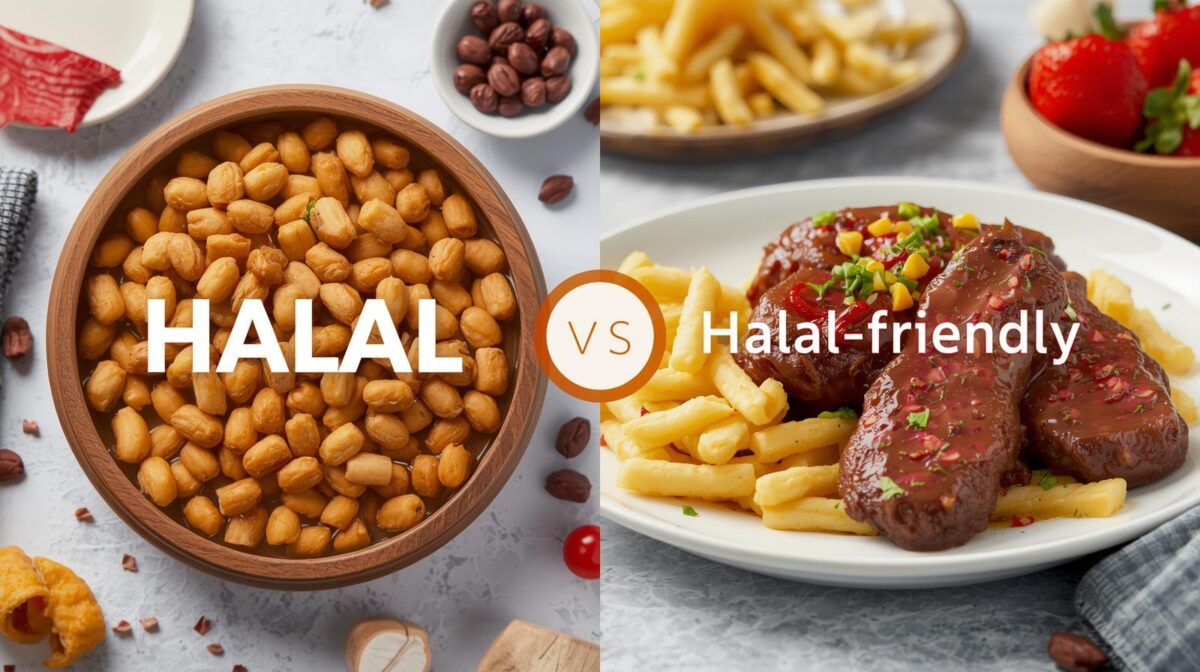
Halal vs Halal-Friendly: What’s the Difference?

As the global Halal market expands, many businesses and consumers encounter the terms “Halal” and “Halal-friendly.” While these labels may appear similar, they represent very different levels of compliance with Islamic dietary and operational standards. Understanding the distinction is important for Muslim consumers who want assurance that products meet Shariah requirements and for businesses seeking to build credibility in Halal markets. Halal certification is a structured compliance framework that evaluates ingredients, sourcing, processing methods, and contamination controls. In contrast, the term “Halal-friendly” is often used informally to indicate accommodation for Muslim preferences without full religious verification. This guide explains the meaning of both terms and why the difference matters in practical terms.

What Does Halal Mean?

The term “Halal” means lawful or permissible under Islamic law. In the context of food, products, and services, Halal indicates that all ingredients, sourcing methods, production processes, and handling practices comply with Shariah requirements. For food products, this includes permissible animal species, proper Islamic slaughter, absence of prohibited substances such as pork or alcohol, and strict prevention of cross-contamination. Halal compliance also requires documented oversight through recognized certification bodies that conduct audits and verify operational procedures. As a result, Halal labeling represents a verified system of religious and regulatory compliance rather than a general claim of suitability.

Helpful for you: Halal vs Non-Halal Products

What Does Halal-Friendly Mean?

Halal-friendly is an informal term used to describe products, services, or environments that attempt to accommodate Muslim consumers but do not necessarily meet full Halal certification requirements. Businesses may use the label to indicate that they offer some Halal options, avoid certain prohibited ingredients, or provide facilities suitable for Muslim customers. However, Halal-friendly claims typically lack formal verification, documented audits, or structured compliance controls. Because the term is not regulated in many jurisdictions, its interpretation can vary widely between businesses and industries.

10 Key Differences Between Halal and Halal-Friendly

1. Certification and Verification

Halal products are formally certified by recognized authorities with audits, documentation, and ingredient checks. Halal-friendly products generally lack independent verification and rely on internal assurances. Certification ensures consistent compliance with Shariah standards. Halal-friendly labeling does not guarantee verified adherence.

2. Ingredient and Source Control

Halal-certified products verify all ingredients, including additives and processing aids, for permissible sources. Halal-friendly items may avoid obvious prohibited substances but lack full traceability. Certification ensures every component meets Shariah requirements. Halal-friendly products leave some sources uncertain.

3. Production and Contamination Controls

Halal certification requires strict segregation, cleaning protocols, and operational procedures to prevent cross-contamination. Halal-friendly practices often lack structured controls or dedicated lines. Certification ensures integrity across all production stages. Halal-friendly labeling cannot fully guarantee purity.

Also Read: Ways Halal Certification Increases Revenues

4. Religious Oversight

Halal-certified products are reviewed by Shariah advisors and regularly audited for compliance. Halal-friendly products usually have no religious supervision or structured review. Certification ensures both operational and spiritual compliance. Halal-friendly items rely mainly on informal claims.

5. Labeling and Transparency

Halal-certified products display verified marks and clear labeling to confirm compliance. Halal-friendly products may use descriptive labels without independent verification. Certification logos indicate authenticity. Halal-friendly claims offer limited consumer assurance.

6. Consumer Trust

Certification provides Muslim consumers confidence in ingredient sourcing, processing, and hygiene. Halal-friendly labeling gives partial reassurance but lacks formal verification. Certified products reduce uncertainty for buyers. Trust in certification is critical for market acceptance.

Must Read: Role of Islamic (Fiqh) Experts in Halal Certification 

7. Compliance Consistency

Halal certification ensures adherence to standards across batches through audits and monitoring. Halal-friendly practices may vary between batches or facilities. Certification creates uniform compliance. Halal-friendly items may lack consistent controls.

8. Market Access and Recognition

Certified Halal products gain access to Muslim-majority markets and regulated trade networks. Halal-friendly products may face market limitations due to lack of verification. Certification strengthens credibility. Halal-friendly labeling is less recognized.

9. Legal and Regulatory Assurance

Halal certification aligns with national and international Halal regulations, reducing legal risk. Halal-friendly labeling may not meet legal standards. Certification ensures operational legitimacy. Halal-friendly claims carry more uncertainty.

10. Risk Management

Certified Halal products implement structured risk assessment to prevent contamination and ensure compliance. Halal-friendly items may lack formal risk controls. Certification allows proactive management. Halal-friendly labeling leaves potential gaps.

You May Also Like: How to Get Halal Certification in Australia 

Industries Where the Halal vs Halal-Friendly Debate Appears

  • Food and Beverage Manufacturing: Processed foods, snacks, confectionery, and ready-to-eat meals often use ingredients and additives that require verification.
  • Restaurants and Catering Services: Menu offerings may claim Halal-friendly options without full certification, leading to varying compliance standards.
  • Cosmetics and Personal Care Products: Lotions, creams, and lipsticks may contain animal-derived ingredients, prompting scrutiny over Halal claims.
  • Pharmaceuticals and Healthcare Products: Capsules, syrups, and supplements sometimes contain gelatin or alcohol-based excipients that affect Halal compliance.
  • Tourism and Hospitality Services: Hotels, resorts, and airlines providing food and beverages for Muslim travelers must differentiate between certified Halal and Halal-friendly options.
  • Food Delivery Platforms and Online Marketplaces: Aggregators listing multiple vendors may offer Halal-friendly products without verifying authenticity or certification.

How NHASA Can Help You

NHASA provides structured Halal certification and advisory services to help businesses achieve full compliance with Islamic dietary and operational standards. Our process includes ingredient verification, documentation review, facility audits, and implementation of Halal assurance systems designed to prevent contamination and ensure transparency. By working closely with manufacturers, restaurants, and service providers, NHASA supports organizations in transitioning from informal Halal-friendly claims to recognized Halal certification. This structured approach strengthens regulatory compliance, enhances consumer trust, and enables access to global Halal markets.

Conclusion

The difference between Halal and Halal-friendly lies primarily in the level of verification and compliance. Halal certification represents a structured system of ingredient control, operational oversight, and religious accountability. Halal-friendly labeling, on the other hand, generally indicates an attempt to accommodate Muslim consumers without full certification. For Muslim consumers seeking assurance and for businesses aiming to build credibility in Halal markets, understanding this distinction is essential.

FAQs

Is Halal-friendly the same as Halal?

No. Halal-friendly usually means a product or service attempts to accommodate Muslim preferences but does not necessarily meet full Halal certification standards.

Why is Halal certification important?

Certification provides independent verification that products comply with Islamic dietary laws and operational requirements.

Can Halal-friendly restaurants serve Halal food?

Some may offer Halal options, but without certification it may be difficult to verify ingredient sourcing and preparation controls.

How can consumers verify Halal products?

Consumers should look for recognized Halal certification marks and verify the certification body when possible.

Can businesses transition from Halal-friendly to Halal-certified?

Yes. Businesses can implement compliance systems and obtain certification through recognized Halal authorities.