
NHASA

Categories
Blogs

10 Halal Requirements for Exporting to Indonesia (SJPH)

Exporters from Australia who aim to enter Indonesia’s large Muslim-majority market must strictly comply with Indonesia’s halal certification requirements under the SJPH system, governed by the Halal Product Assurance Organizing Agency (BPJPH). The SJPH framework ensures that products meet Islamic dietary laws through a comprehensive assurance system covering raw materials, production, and distribution. For Australian businesses, understanding these regulations is critical for market access, legal compliance, and maintaining consumer confidence. Without proper certification and registration, products risk rejection or removal from Indonesian shelves.

Understanding BPJPH and the Halal Assurance System (SJPH)

Indonesia’s halal framework is governed by Law No. 33/2014 on Halal Product Assurance and implemented through Badan Penyelenggara Jaminan Produk Halal (BPJPH). The Sistem Jaminan Produk Halal (SJPH) — Halal Product Assurance System — is a mandatory, structured system that ensures halal integrity from raw materials to finished goods. Under SJPH, businesses must demonstrate halal compliance across all stages of production, including sourcing, manufacturing, storage, packaging, distribution, and record-keeping. Compliance is not just a one-time certification; it requires continuous adherence to halal standards as part of operational practices and supply chain traceability. Understanding SJPH helps exporters align their processes with Indonesian requirements for seamless market entry.

Why Halal Certification is Essential for Indonesia

Indonesia, the world’s largest Muslim-majority country, legally requires Halal certification to ensure Islamic dietary integrity and maintain consumer trust. Importers must register products on BPJPH’s SiHalal online portal before distributing or selling them. Even products already certified in Australia or other countries must complete BPJPH registration to be legally marketed in Indonesia. Strict halal labeling and certification rules also ensure transparency in the marketplace, giving consumers confidence in the products they purchase. Non-compliant products may face administrative penalties, seizure, or removal from retail outlets, making certification essential for exporters.

Also Read: Halal Standards Required for Exporting to Singapore (MUIS)

Types of Halal Certificates in Indonesia

Indonesia recognizes halal certification through two primary pathways:

  • BPJPH Issued Certificates – These are obtained directly from BPJPH after local audits and compliance verification. Certificates are valid as long as ongoing SJPH standards are maintained and periodic reviews are conducted.
  • BPJPH can recognize a foreign Halal certificate if an Indonesian importer or representative registers a product certified by a BPJPH-accredited Halal Certification Body (HCB) in Australia or another country on the SiHalal portal. Registration ensures that foreign-certified products comply with Indonesian regulations.

Both pathways require registration on SiHalal and compliance with labelling, documentation, and SJPH standards before products can enter the Indonesian market.

Recognized Halal Certification Bodies for Indonesia

#Certification BodyTypeRole in Halal Certification
1BPJPHGovernment BodyOversees Halal certification, regulates and issues official certificates under the Ministry of Religious Affairs.
2LPPOM MUIAssessment InstituteConducts product evaluations, audits, and Shariah compliance verification.
3LP-POM MUI Regional OfficesRegional OfficesAssists exporters with documentation checks, local audits, and compliance support.
4Foreign Certifiers Recognized by BPJPHInternational CertifiersCertifies foreign products aligned with BPJPH standards for export to Indonesia.
5Industry-Specific Recognized CertifiersSector-Focused CertifiersProvides Halal compliance assessment for specific sectors like pharmaceuticals, cosmetics, and logistics.
6Approved Third-Party Auditors & ConsultantsAdvisory / PreparatoryHelps businesses prepare for audits, align operations, and ensure documentation readiness.

Halal Requirements to Apply for Exporting Certification in Indonesia (SJPH)

1. BPJPH-Recognised Halal Certification

Exporters must obtain a Halal certificate directly through a BPJPH auditor or via a BPJPH-accredited foreign Halal Certification Body (HCB). Recognition ensures the certificate is valid for registration and sale in Indonesia. Unaccredited certificates risk import rejection or non-compliance. Accredited certification safeguards market access.

2. SJPH Compliance Across Supply Chain

SJPH requires full halal assurance across the supply chain, from sourcing to distribution. Segregation of Halal and non-Halal production, storage, and transport is mandatory. Dedicated procedures prevent cross-contamination. Maintaining these controls ensures product integrity and regulatory compliance.

3. Halal Labelling Requirements

Certified products must display the official Halal logo and BPJPH registration number. Labels must meet size, placement, and design regulations. Accurate labeling reassures consumers of compliance. It also facilitates regulatory inspection and avoids penalties.

Helpful for you: How to Get Halal Certification in Australia

4. Halal Supervisor Requirement

Companies may need to appoint a trained Halal Supervisor to oversee compliance. This person ensures operational practices, employee training, and documentation follow SJPH standards. The role is critical for maintaining Halal integrity. It also supports audit readiness.

5. Documentation and Record-Keeping

Exporters must maintain detailed records of ingredients, production flows, supplier declarations, and audit reports. Documentation provides evidence of proper Halal practices. It is essential for SJPH audits. Accurate record-keeping simplifies ongoing compliance.

6. Ingredient and Raw Material Verification

All raw materials and ingredients must be Halal-compliant and traceable. Supplier Halal certificates are required for verification. Ingredient audits ensure no prohibited items are used. This is a core requirement for SJPH certification.

7. Manufacturing Process Control

Production must follow procedures that prevent contamination with non-Halal products. Equipment cleaning, dedicated production lines, and SOPs are necessary. Auditors verify consistent process compliance. Proper control ensures final products meet Shariah standards.

8. Storage and Transportation Compliance

Halal products must be stored and transported separately from non-Halal items. Storage areas, vehicles, and handling protocols must maintain Halal integrity. Segregation and hygiene prevent contamination. Compliance is reviewed during audits.

Must Read: Why Halal Certification is Important for Businesses

9. Internal Halal Assurance System

Companies must implement an internal Halal assurance system (HAS) to monitor compliance. This includes regular inspections, corrective actions, and continuous monitoring. An internal system ensures proactive management of Halal standards. It supports audit readiness and certification renewal.

10. Audit Readiness and Renewal Compliance

Businesses must be prepared for on-site audits by BPJPH or accredited HCBs. Non-compliance must be addressed promptly. Certification requires ongoing adherence to SJPH standards. Continuous monitoring ensures validity and uninterrupted access to the Indonesian market.
Process to Apply for Halal Certification in Indonesia (SJPH)

You May Also Like: How to Conduct a Halal Audit

How NHASA Can Help You?

NHASA provides end-to-end halal certification services for Australian exporters to Indonesia. We support exporters throughout the entire halal certification journey, including identifying the appropriate certification pathway, preparing and reviewing documentation, registering certificates on the SiHalal system, and implementing SJPH compliance requirements. Our expert guidance reduces compliance risks, ensures audit readiness, and helps businesses meet Indonesia’s halal regulations with confidence, enabling smooth market entry and long-term success in Indonesia’s regulated halal market.

Conclusion

Exporting halal products from Australia to Indonesia requires careful adherence to Halal requirements for exporting to Indonesia under the SJPH and BPJPH regulatory framework. Whether obtaining direct BPJPH certification or registering a foreign halal certificate, exporters must meet rigorous halal requirements across materials, production processes, labeling, and documentation. Proper planning, a clear understanding of local standards, and expert support enable Australian businesses to successfully access Indonesia’s lucrative halal market while maintaining consumer trust, regulatory compliance, and long-term market sustainability.

FAQs

Do Australian halal certificates automatically work in Indonesia?

You need Halal certification for your products only when a BPJPH-accredited Australian Halal Certifying Body registers the certificate on the SiHalal portal.

Do all products need Halal certification to enter Indonesia?

Most products intended for Muslim consumers require halal certification, except inherently halal items listed under exemptions.

What is SJPH?

A3: SJPH is Indonesia’s Halal Product Assurance System, ensuring halal compliance across the entire supply chain from raw materials to finished products.

Who registers halal certificates in Indonesia?

Indonesian importers or official representatives register foreign halal certificates on BPJPH’s SiHalal system.

Do exporters need a Halal Supervisor for export?

Yes, companies may need to appoint a trained Halal Supervisor to ensure ongoing SJPH compliance across operations.
Categories
Blogs

10 Halal Requirements for Exporting Food from Australia

Exporting food from Australia to Muslim-majority and Halal-regulated markets requires more than quality production—it demands strict compliance with Halal principles. Halal certification verifies that food products meet Islamic dietary laws throughout sourcing, processing, handling, storage, and transportation. For Australian exporters, understanding these requirements is essential to gain market access, meet import regulations, and build trust with international buyers.

While the certification process may seem complex at first, a clear understanding of the requirements and the right guidance can make Halal compliance a smooth and structured journey.

Understanding Halal Certification in Australia

Halal certification in Australia is a formal assurance that food products comply with Islamic law (Shariah). This includes verification of ingredients, production methods, hygiene standards, and supply chain integrity. Certification is carried out by recognised Halal authorities that conduct audits, inspections, and ongoing compliance checks.

Why Halal Certification Is Important for Food Exports

Halal certification is not only a religious requirement but also a commercial and regulatory necessity for many export destinations. Key benefits include:

  • Market Access: Many countries require Halal certification for food imports.
  • Consumer Trust: Certification reassures Muslim consumers that products are safe and compliant.
  • Regulatory Compliance: Helps meet customs and food authority requirements in importing countries.
  • Brand Credibility: Enhances reputation with distributors, retailers, and partners.
  • Business Growth: Opens opportunities in fast-growing global Halal food markets.

Also Read: Why Halal Certification is Important for Businesses

Who Needs Halal Certification for Food Exports in Australia

Not every food business requires Halal certification, but it is essential for exporters targeting Halal-regulated markets.

  • Food Manufacturers: Required to certify ingredients, production lines, and processing methods.
  • Meat and Poultry Processors: Must follow strict Halal slaughtering and handling guidelines.
  • Seafood Exporters: Certification confirms no cross-contamination with non-Halal products.
  • Food Ingredient Suppliers: Ensures raw materials and additives are Halal-compliant.
  • Private Label Exporters: Needed when exporting under third-party or retailer brands.
  • Export Traders and Distributors: Certification supports customs clearance and buyer confidence.

Recognised Halal Certification Bodies in Australia

Recognised and authorised bodies must issue Halal certification for export products. These include:

  • Government-Recognised Halal Authorities: Approved bodies that align with Australian export regulations and international Halal standards.
  • Islamic Councils and Boards: Responsible for Shariah compliance, audits, and certification issuance.
  • Export-Approved Halal Bodies: Certification bodies accepted by importing countries such as Malaysia, Singapore, Indonesia, Saudi Arabia, and the UAE.

Choosing a recognised certification body is critical to avoid shipment delays or rejection at destination ports.

10 Halal Requirements for Exporting Food from Australia

1. Halal-Compliant Ingredients

Exporters must use only Halal-approved ingredients in food products and source them from verified suppliers with documented proof of compliance. This includes raw materials, additives, flavorings, enzymes, and processing aids used at any stage of production. Ingredients of animal origin must come from Halal-certified sources and approved slaughter facilities. Full ingredient transparency is required during audits to ensure ongoing compliance.

2. Absence of Haram Substances

Food products must not contain Haram ingredients such as pork, alcohol, blood, or their derivatives at any point in production. Even trace contamination can lead to non-compliance and rejection in export markets. Strict controls must be in place to prevent accidental inclusion or exposure. This applies across production, storage, and handling stages.

3. Supplier Verification and Documentation

All suppliers must provide valid Halal declarations or certification where applicable to confirm compliance. Exporters are responsible for verifying supplier status before sourcing any materials. Documentation must be current, accurate, and fully traceable. These records are reviewed during certification audits.

Must Read: Emerging Technologies in Halal Certification

4. Segregation of Halal and Non-Halal Products

Businesses must physically separate Halal and non-Halal products throughout production and storage to prevent cross-contamination, using dedicated equipment or validated cleaning procedures when operating shared facilities. Clear labeling and identification help prevent handling errors. Segregation is a core Halal compliance requirement.

5. Hygiene and Sanitation Standards

Facilities must maintain high hygiene standards aligned with Halal principles and food safety regulations. Equipment, utensils, and surfaces must be thoroughly cleaned using approved procedures. Sanitation practices should be documented, monitored, and regularly reviewed. Cleanliness plays a critical role in Halal compliance.

6. Halal Slaughter Compliance (If Applicable)

Meat and poultry products must follow approved Halal slaughter methods recognised by authorised certification bodies. Slaughter must be performed by trained personnel under authorised supervision. Animals must be healthy and treated ethically according to Islamic requirements. Full compliance is verified during audits.

7. Halal-Compliant Packaging Materials

Materials used for packaging must not contain Haram substances or pose any risk of contamination. Depending on the type, suppliers may also require Halal verification. The packaging process should protect both product integrity and Halal status.Proper labeling is essential for export acceptance.

You May Also Like: Role of Islamic (Fiqh) Experts in Halal Certification

8. Storage and Transportation Controls

Halal products must remain segregated during storage and transportation to maintain compliance. Warehouses and vehicles must be clean, suitable, and free from contamination risks. Clear identification helps prevent mix-ups during handling and distribution. Transportation practices are reviewed as part of certification.

9. Traceability and Record Keeping

Exporters must maintain detailed records from sourcing through to final distribution. This includes batch tracking, supplier information, and production logs. Traceability supports audit requirements and market access. Accurate records ensure accountability throughout the supply chain.

10. Ongoing Compliance and Certification Renewal

Halal certification is not a one-time process and requires continuous adherence to standards. Regular audits and certification renewals are mandatory. Businesses must consistently follow approved Halal procedures across operations. Non-compliance can result in suspension or withdrawal of certification.

Process to Apply for Halal Certification in Australia

1. Initial Consultation and Scope Assessment

The process begins with a review of products, ingredients, and export destinations. This helps define certification scope and applicable Halal requirements. Gaps in compliance are identified early. Proper assessment saves time later.

2. Documentation Preparation and Submission

Businesses must submit ingredient lists, supplier certificates, and process flow diagrams. Facility and production details are also required. Accurate documentation is critical for approval. Incomplete records can delay certification.

3. On-Site Halal Audit

A Halal auditor inspects the facility to verify compliance with Halal standards. Production lines, hygiene practices, and segregation controls are reviewed. Auditors may request clarifications. Findings are documented in an audit report.

Helpful for you: How to Conduct a Halal Audit

4. Corrective Actions and Compliance Updates

If auditors identify non-compliance, businesses must implement corrective actions within a specified timeframe. Companies address the issues, submit evidence of improvements, and undergo follow-up checks if required.

5. Certification Review and Approval

Once a business meets all requirements, the certification body reviews the audit results, verifies compliance, and grants final approval before issuing the Halal certificate. This confirms eligibility for Halal export markets.

6. Ongoing Monitoring and Renewal

Certification requires ongoing compliance and periodic audits. Renewals are typically conducted annually. Businesses must maintain standards consistently. Continuous monitoring ensures uninterrupted export operations.

How NHASA Can Help You?

NHASA supports Australian food exporters through every stage of the Halal certification process. From initial consultation to audit preparation and certification coordination, NHASA ensures businesses meet Halal requirements accurately and efficiently. By working with recognised Halal authorities and understanding international export regulations, NHASA helps exporters reduce delays, avoid compliance risks, and confidently access global Halal markets.

Conclusion

Halal certification is a vital requirement for exporting food from Australia to Halal-regulated markets. It ensures religious compliance, strengthens consumer trust, and supports international trade success. While the process involves detailed requirements, proper guidance and preparation make compliance achievable and rewarding. For exporters aiming to grow in global Halal markets, Halal certification is not just an obligation—it is a strategic advantage.

FAQs

Is Halal certification mandatory for all food exports from Australia?

No, Halal certification is required only when exporting to countries or buyers that specifically demand Halal compliance

How long does Halal certification take in Australia?

The timeline varies but typically ranges from a few weeks to a few months, depending on readiness.

Do international markets accept Australian Halal certification?

Yes, many countries and international markets widely accept certification from recognised Australian Halal bodies.

Does Halal certification need renewal?

Yes, most certifications require annual renewal and periodic audits.

Can non-Muslim-owned businesses obtain Halal certification?

Yes, Halal certification is based on compliance, not ownership or religion.

Categories
Blogs

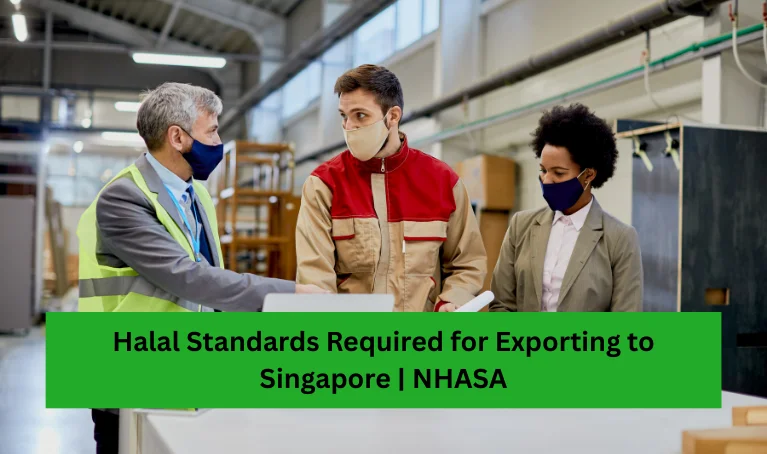
Halal Standards Required for Exporting to Singapore (MUIS)

Singapore is a key global trade hub with a diverse, highly regulated consumer market, where halal compliance plays an important role for Muslim consumers. For exporters, meeting Singapore’s halal standards is not only about religious adherence but also about ingredient transparency, ethical sourcing, and regulatory credibility. As consumer awareness continues to grow, businesses exporting halal products must demonstrate clear compliance with recognised halal frameworks. Understanding MUIS requirements helps exporters avoid delays, maintain market trust, and ensure smooth entry into Singapore.

Understanding MUIS and Its Role in Halal Certification

The Islamic Religious Council of Singapore (MUIS) is the sole authority responsible for halal certification and oversight in Singapore. MUIS establishes halal standards, accredits foreign halal certification bodies, and regulates the use of the halal logo within the country. Its framework ensures that halal claims are consistent, verifiable, and aligned with Islamic principles across all certified products and services.

MUIS enforces strict and transparent halal standards that exporters must follow. These standards cover ingredients, processing methods, supply chain integrity, hygiene, and quality management systems. Exporters need MUIS recognition to ensure Singapore importers, retailers, and food service operators accept their halal-certified products.

Why Halal Certification Is Important for the Singapore Market

Singapore requires halal certification for any product marketed, labelled, or promoted as halal. Muslim consumers trust MUIS-approved certification as proof of compliance, safety, and ethical production. Without a valid halal certificate, products cannot legally claim halal status and may be rejected by retailers or regulatory authorities.

Beyond regulatory requirements, halal certification also strengthens consumer confidence across Singapore’s multicultural population. Many non-Muslim consumers associate halal-certified products with higher hygiene standards, traceability, and quality assurance. This makes halal certification a strategic advantage for exporters looking to build brand credibility and long-term market presence.

You May Also Like: Why Halal Certification is Important for Businesses

Who Needs Halal Certification in Singapore

  1. Food & Beverage Manufacturers: Required for products with animal-based ingredients or halal claims.
  2. Meat & Poultry Processors:  Must follow MUIS halal slaughter and handling standards.
  3. Restaurants & Food Services:  Needed for serving or marketing food as halal.
  4. Processed & Packaged Food Brands:  Applies to ready-to-eat or halal-labeled products.
  5. Food Exporters:  Mandatory for supplying halal food to Singapore.
  6. Cosmetics & Personal Care:  Needed if products contain animal or alcohol derivatives.
  7. Pharmaceuticals & Supplements:  Required when animal-based ingredients are used.
  8. Food Packaging & Handling:  Applies to services directly linked to halal food.

Halal Standards Required for Exporting to Singapore

1. MUIS-Recognised Halal Certifier

All exported products must be certified by a halal certification body recognised by MUIS. This recognition ensures the certification aligns with Singapore’s halal framework. Using a non-recognised certifier can lead to rejection by importers or authorities. Exporters should always verify certifier status before starting the process. This step helps avoid delays and compliance issues.

2. Halal-Approved Ingredients and Raw Materials

Every ingredient used in the product must be halal-compliant and sourced from approved suppliers. Animal-derived ingredients must come from halal-slaughtered sources. Alcohol and non-halal derivatives are strictly restricted unless permitted by MUIS standards. Proper documentation of ingredients is required. Clear sourcing improves audit transparency.

3. Control of Alcohol and Non-Halal Substances

MUIS applies strict limits on alcohol and non-halal substances in products. Any use must fall within allowed thresholds or exceptions. Exporters must review formulations carefully before certification. Ingredient declarations must be accurate and complete. Failure to comply may result in certification denial.

4. Raw Material Traceability and Supplier Verification

Traceability of raw materials is a key MUIS requirement. Exporters must maintain records showing the origin of all ingredients. Supplier halal certificates should be current and verifiable. This allows auditors to confirm halal integrity. Strong traceability reduces compliance risks.

5. Manufacturing Segregation Controls

Halal and non-halal materials must be physically and operationally separated. This applies to storage, processing lines, and equipment. Proper segregation prevents cross-contamination. Facilities should clearly label halal zones. These controls are checked during halal audits.

6. Cleaning and Sanitation Procedures

Facilities must implement and follow documented cleaning and sanitation procedures. Staff must thoroughly clean any equipment previously used for non-halal products before using it for halal production. They should consistently maintain cleaning records. Proper sanitation preserves halal integrity and enhances overall food safety.

7. Standard Operating Procedures (SOPs)

Written SOPs must cover production, handling, and storage activities. These procedures ensure consistent halal practices. Staff should be trained to follow SOPs correctly. Updated SOPs help meet audit expectations. They also improve operational control.

8. Hygiene and Food Safety Management

MUIS requires strong hygiene standards aligned with HACCP or equivalent systems. Facilities must maintain clean environments at all times. Pest control and waste management should be effective. Quality checks must be documented. These measures protect both halal compliance and consumer safety.

9. Packaging and Storage Requirements

Use packaging materials that are halal-safe and suitable for food contact. Store halal products separately from non-halal items, and keep storage areas clean and well-organised. Ensure proper handling during transport to maintain halal integrity. These practices prevent contamination and protect product quality.

10. Labelling, Documentation, and Certification Records

Product labels must accurately reflect ingredients and certification details. Exporters must provide valid halal certificates with shipments. Documentation should clearly reference the MUIS-recognised certifier. Incomplete records can delay customs clearance. Proper documentation ensures smooth market entry.

Must Read: How to Get Halal Certification in Australia 

Process to Apply for Halal Certification for Singapore Exports

1. Select a MUIS-Recognised Halal Certification Body

Start by selecting a halal certifier officially recognised by MUIS for your product category. This step is crucial because Singapore will not accept certificates from non-recognised bodies.

2. Prepare Halal Documentation

Compile all required documents, including ingredient specifications, supplier halal certificates, production flowcharts, and hygiene procedures. Accurate and complete documentation supports faster review and smoother certification.

3. Certification Audit and Verification

The halal certification body will conduct an audit to verify ingredient compliance, manufacturing processes, and halal controls. This audit ensures your operations meet MUIS-aligned halal standards.

4. Issuance of Halal Certificate

After confirming compliance, the certifier issues a halal certificate recognised by MUIS. Exporters should check the certificate’s validity period and renewal requirements to ensure continuous access to the Singapore market.

5. Export and Ongoing Compliance

Once certified, exporters can ship products to Singapore with the halal documentation included. They must maintain ongoing compliance, keep detailed records, and undergo periodic audits to retain their certification.

Also Read: What Is Halal Certification?

How NHASA Can Help You?

NHASA supports exporters by simplifying halal certification for the Singapore market. From identifying MUIS-recognised certification bodies to preparing documentation and audit readiness, NHASA ensures your products meet Singapore’s halal standards efficiently. Our guidance helps reduce regulatory risks, prevent shipment delays, and build confidence with Singapore importers and consumers.

Conclusion

Meeting halal standards for exporting to Singapore requires careful planning, recognised certification, and strong control over ingredients and production processes. MUIS halal requirements prioritise transparency, hygiene, and ethical compliance, making them essential for successful market entry. By working with recognised certifiers and maintaining robust halal systems, exporters can confidently access Singapore’s halal-conscious and quality-driven consumer market.

FAQs

Is halal certification mandatory for exporting food to Singapore?

Halal certification is required if the product is marketed or labelled as halal, especially for food and beverage products.

Does MUIS recognise foreign halal certificates?

Yes, MUIS recognises halal certificates issued by approved foreign certification bodies listed under its recognition scheme.

Can imported products display the MUIS halal logo?

Generally, the MUIS halal logo is reserved for locally certified businesses, but imported products must carry valid recognised certification documentation.

How long is halal certification valid for Singapore exports?

Validity depends on the certifying body, but certificates usually require annual renewal and periodic audits.

What happens if products do not meet MUIS halal standards?

Non-compliant products may be rejected by importers, delayed at customs, or prohibited from being marketed as halal in Singapore.