NHASA

Categories
Blogs

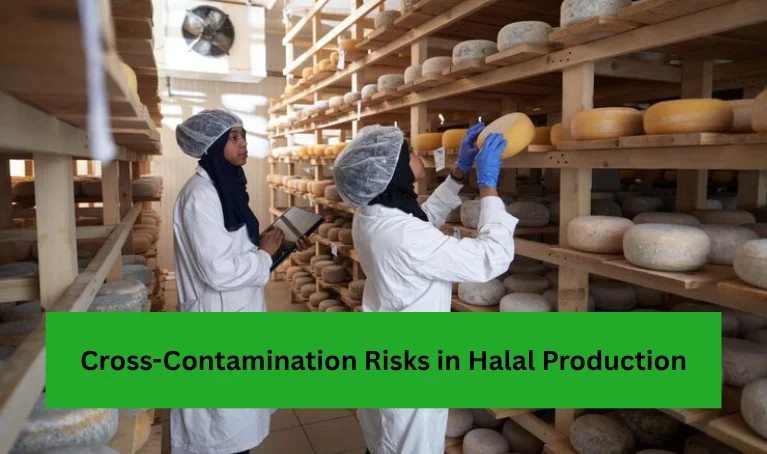
Cross-Contamination Risks in Halal Production

Cross-contamination in Halal production refers to the unintended contact of Halal products with Haram substances, ingredients, or processes that compromise their religious compliance. This risk is significant because Halal standards encompass not only permissible ingredients but also ethical handling, storage, and processing practices. Effective management of cross-contamination is essential for maintaining Shariah compliance, protecting consumer trust, and meeting regulatory requirements. This guide explores the risks, consequences, and mitigation strategies in a structured, practical manner for food producers and businesses.

Understanding Cross-Contamination in the Halal Context

Cross-contamination occurs when Halal food comes into contact with non-Halal ingredients, surfaces, equipment, or personnel, thereby compromising its permissibility. In a Halal context, this includes contamination from pork derivatives, non-Halal meat, alcohol, or any prohibited additives. The scope extends beyond ingredients to encompass processing lines, storage facilities, utensils, packaging, and transportation. Understanding the full range of contamination risks is critical for Halal compliance and is a core requirement for certification and audit readiness.

Helpful for you: Halal vs Halal-Friendly: What’s the Difference?

Cross-Contamination Risks in Halal Production

1. Shared Equipment and Utensils

Using the same cutting boards, knives, or mixers for Halal and non-Halal products can result in direct contamination. Even trace residues of Haram substances compromise the Halal status of products. Facilities must implement dedicated equipment or validated cleaning protocols. Documentation of cleaning procedures is essential to demonstrate compliance.

2. Inadequate Cleaning and Sanitation

Insufficient sanitation between production runs increases the likelihood of cross-contact. Harms can arise from residual fats, oils, flavorings, and food additives originating from non-Halal sources that remain on equipment or surfaces. Structured cleaning schedules, validated procedures, and routine inspections are necessary to maintain operational integrity and consistent compliance. Proper cleaning prevents contamination, ensures removal of prohibited substances including food additives, and supports overall food safety and quality standards.

3. Shared Storage Areas

Storing Halal and non-Halal ingredients or products in the same warehouse without segregation risks cross-contamination. Containers or pallets can transfer traces of Haram substances. Segregation by location, labeling, and physical barriers is essential. Temperature-controlled storage must also adhere to these separation protocols.

Also Read: How Restaurants Can Maintain Halal Compliance

4. Supplier and Ingredient Mislabeling

Receiving raw materials with unclear or incorrect labeling can introduce non-Halal ingredients into production lines. Suppliers must provide clear ingredient declarations and certifications. Verification procedures, including documentation review and periodic audits, help mitigate this risk. Traceability ensures Halal compliance from source to product.

5. Cross-Contamination During Transportation

Halal products transported in shared vehicles with non-Halal goods face a risk of contamination. Residual particles, spills, or improper cleaning can compromise Halal integrity. Using dedicated transport or validated cleaning procedures is critical. Proper documentation of transport compliance reinforces operational accountability.

6. Human Handling and Training Gaps

Employees unaware of Halal requirements may inadvertently contaminate products. Handling Halal and non-Halal items without proper training or PPE increases risks. Staff education programs, clear SOPs, and supervision ensure adherence to religious and operational standards. Human factors are often a leading source of contamination.

Must Read: Importance of Halal Training for Quality Personnel

7. Cross-Contact Through Additives or Flavorings

Non-Halal emulsifiers, stabilizers, or flavorings can contaminate Halal products if shared across production lines. Verification of each additive’s source and composition is essential. Certification of raw materials helps prevent accidental introduction of Haram substances. Maintaining supplier transparency is critical for compliance.

8. Inadequate Packaging Practices

Packaging Halal products in materials previously used for non-Halal items may transfer traces of contamination. Packaging lines must be segregated or thoroughly cleaned. Labeling must clearly indicate Halal compliance to prevent consumer confusion. Proper packaging safeguards both religious and quality standards.

9. Airborne or Environmental Contamination

Dust, vapors, or aerosolized particles from Haram products in shared production environments may contaminate Halal food. Proper ventilation, physical separation, and airflow management minimize this risk. Environmental monitoring ensures that cross-contamination does not occur indirectly.

10. Errors in Documentation and Traceability

Incomplete or inaccurate records of ingredients, processes, or handling can lead to unintentional Halal breaches. Traceability failures make it difficult to verify compliance during audits. Structured documentation, real-time monitoring, and periodic review are essential to prevent contamination and demonstrate accountability.

Consequences of Cross-Contamination

1. Loss of Halal Certification

Cross-contamination with Haram substances can lead to suspension or revocation of Halal certification, affecting product legitimacy and market access. Businesses may need to implement corrective actions before certification is reinstated, delaying operations.

2. Legal and Regulatory Non-Compliance

Contaminated Halal products may violate national food laws, leading to fines, penalties, or production restrictions. Export operations can also be impacted, as many countries require verified Halal compliance for imported products.

Must Read: Halal Certification Requirements for Food Products

3. Damage to Brand Reputation

Incidents of cross-contamination negatively affect consumer trust and brand perception. Reduced loyalty and public backlash may occur, and rebuilding credibility often requires significant time and resources.

4. Financial Losses from Recalls or Rejection

Contaminated products may need to be recalled or rejected by distributors, generating disposal, reprocessing, and logistical costs. Production downtime further increases financial impact and operational disruptions.

5. Compromise of Consumer Trust and Market Position

Cross-contamination undermines confidence among Muslim consumers and can reduce market share. Maintaining strict Halal compliance is essential for long-term customer loyalty and competitive positioning.

Strategies to Prevent Cross-Contamination

Effective prevention relies on a combination of operational, procedural, and technological measures. These include dedicated equipment, validated cleaning protocols, ingredient verification, physical segregation in storage and production, employee training, clear SOPs, environmental monitoring, transport segregation, and robust traceability systems. Integrating digital tools for monitoring and record-keeping can further enhance prevention and ensure consistent compliance with Halal standards.

You may also like: Emerging Technologies in Halal Certification

Role of Halal Certification in Mitigating Risks

Halal certification provides structured oversight to prevent cross-contamination. Certification bodies evaluate production processes, ingredient sourcing, handling procedures, sanitation practices, and documentation. Through audits and Shariah supervision, certification ensures that facilities maintain segregation, traceability, and operational controls. Certification also gives consumers and regulatory authorities confidence in the integrity of Halal products.

How NHASA Can Help You

NHASA offers comprehensive Halal certification for food manufacturers in Australia, along with advisory services designed to minimize cross-contamination risks and ensure full compliance. Our approach includes on-site audits, process evaluation, supplier verification, employee training programs, and implementation of validated cleaning protocols. We assist businesses in establishing robust Halal assurance systems that integrate seamlessly with existing quality and food safety frameworks. Partnering with NHASA ensures both regulatory compliance and strong consumer trust in your Halal-certified food products.

Conclusion

Cross-contamination is one of the most critical risks in Halal production, impacting religious compliance, operational integrity, and market trust. Understanding potential contamination sources, implementing preventive strategies, and obtaining formal Halal certification are essential for businesses. By maintaining structured controls, clear documentation, and rigorous supervision, producers can safeguard the Halal status of their products and strengthen consumer confidence.

FAQs

What is cross-contamination in Halal production?

Cross-contamination occurs when Halal products come into contact with Haram substances, ingredients, or processes, compromising religious compliance.

Can Halal products lose certification due to contamination?

Yes, even trace contamination from non-Halal sources can result in audit failure or certification suspension.

How can cross-contamination be prevented in shared facilities?

Segregation, validated cleaning protocols, staff training, and proper documentation are key preventive measures.

Does transport affect Halal compliance?

Yes, shared vehicles with non-Halal goods pose a risk unless properly cleaned and segregated.

How does Halal certification help mitigate risks?

Certification ensures structured oversight, process audits, ingredient verification, and supervisory compliance to prevent cross-contamination.

Categories
Blogs

How Restaurants Can Maintain Halal Compliance

Halal compliance has become an important operational and regulatory consideration for restaurants serving Muslim consumers. As the global Halal food market continues to expand, food service businesses are expected to implement structured procedures that ensure ingredients, preparation methods, and handling processes align with Islamic dietary laws. For restaurants, Halal compliance is not limited to avoiding prohibited foods; it requires comprehensive control across sourcing, storage, preparation, cooking, and service practices. Establishing clear procedures helps restaurants prevent contamination risks, maintain transparency, and build long-term trust with customers seeking Halal-certified dining options.

What Is Halal Compliance?

Halal compliance refers to the adherence to Islamic dietary laws governing the sourcing, preparation, processing, and serving of food products. The term “Halal” means permissible under Islamic law, while non-permissible items are classified as Haram. In the context of restaurants, Halal compliance ensures that all ingredients, food preparation methods, kitchen equipment, and operational practices meet defined Shariah requirements. Maintaining compliance requires documented procedures, trained staff, and continuous monitoring to ensure that food served to customers meets religious and quality standards.

Understanding Halal Requirements for Food Service

Restaurants must understand that Halal compliance applies to the entire food service chain rather than only the meat used in dishes. Ingredients such as sauces, flavorings, emulsifiers, and cooking oils must also originate from Halal-approved sources. In addition, operational practices such as storage, handling, equipment cleaning, and food preparation must prevent cross-contamination with non-Halal items. Establishing clear policies and operational controls ensures that Halal integrity is maintained from procurement to final service.

Also Read: Halal vs Halal Friendly

Key Requirements and Guidelines for Halal Compliance

1. Use Halal-Certified Ingredients

Restaurants must ensure that all ingredients used in food preparation originate from Halal-approved sources. This includes meat, poultry, dairy products, sauces, seasonings, food additives, and processed ingredients used across different menu items. Purchasing Halal-certified products from verified suppliers helps maintain transparency, ensures ingredient authenticity, and reduces potential compliance risks. Maintaining detailed supplier documentation, including certifications for food additives, supports verification during inspections, audits, and ongoing Halal certification processes.

2. Source Meat from Approved Halal Suppliers

All meat served in a Halal-compliant restaurant must come from animals slaughtered according to Islamic guidelines. This reflects the significance of Halal meat, ensuring both religious compliance and ethical food practices are maintained at every stage. Restaurants should establish partnerships with certified Halal meat suppliers who follow proper slaughter procedures and maintain documented compliance. Verifying supplier certification helps ensure that meat products meet both religious and hygiene standards.

Additionally, emerging topics such as lab-grown meat require careful evaluation under Halal guidelines, as their permissibility depends on sourcing, processing methods, and scholarly interpretation. Reliable sourcing strengthens consumer trust and protects the restaurant’s reputation.

3. Prevent Cross-Contamination

Preventing cross-contamination between Halal and non-Halal foods is essential to maintaining compliance. Restaurants must implement clear separation between utensils, preparation surfaces, and storage areas used for Halal products. If non-Halal items are present in the facility, strict segregation protocols must be followed. Proper cleaning procedures and staff awareness play a critical role in minimizing contamination risks.

You may also like: Cross Contamination Risks in Halal Production

4. Maintain Dedicated Kitchen Equipment

Using dedicated kitchen equipment for Halal food preparation helps preserve Halal integrity. Utensils, knives, cutting boards, and cooking appliances should not be used interchangeably with non-Halal ingredients unless thoroughly sanitized according to approved cleaning procedures. Dedicated equipment reduces the likelihood of contamination and simplifies compliance management. Clear labeling and kitchen organization further support operational control.

5. Implement Proper Storage Practices

Halal ingredients and prepared food items must be stored separately from non-Halal products. Refrigerators, freezers, and dry storage areas should have clearly designated sections for Halal ingredients. Proper labeling helps staff quickly identify Halal items during food preparation and service. Organized storage practices reduce the risk of accidental mixing or cross-contact.

6. Train Staff on Halal Procedures

Employee training is essential for maintaining Halal compliance in restaurant operations. Staff members should understand basic Halal principles, contamination risks, and proper food handling procedures. Regular training ensures employees consistently follow established operational guidelines. Well-trained staff play a key role in maintaining Halal integrity and delivering compliant food service.

You May Also Like: Why Halal Certification is Important for Businesses

7. Monitor Ingredient Labels and Additives

Restaurants must carefully review ingredient labels to identify additives that may originate from non-Halal sources. Certain emulsifiers, gelatin, flavorings, and enzymes may be derived from animal sources that do not meet Halal requirements. Verifying ingredient composition helps prevent accidental use of prohibited substances. Regular communication with suppliers supports transparency and compliance.

8. Maintain High Standards of Cleanliness

Cleanliness is a fundamental component of Halal compliance and aligns closely with food safety regulations. Restaurants must maintain strong sanitation practices across kitchens, preparation areas, and service stations. Routine cleaning schedules and pest control programs support hygienic operations. Clean environments reinforce both Halal compliance and consumer confidence.

9. Document Operational Procedures

Documenting Halal procedures helps ensure consistency across restaurant operations. Records may include supplier lists, ingredient verification, sanitation schedules, and staff training logs. Proper documentation demonstrates compliance during audits and inspections. Structured record-keeping also strengthens accountability and operational transparency.

Must Read: How to Conduct a Halal Audit

10. Display Halal Certification When Applicable

Restaurants that obtain Halal certification should clearly display certification logos or documentation within the dining area. Visible certification reassures customers that the restaurant follows verified Halal practices. Certification also demonstrates commitment to compliance and transparency. Clear display of certification enhances customer confidence and brand credibility.

How Restaurants Can Better Serve Halal Customers

1. Provide Clear Menu Labeling

Restaurants can support Halal customers by clearly identifying Halal menu items and ingredients. Transparent labeling helps customers make informed dining decisions without uncertainty. Menus should specify whether dishes contain Halal-certified meat or fully Halal ingredients. Clear communication improves customer confidence and reduces confusion.

2. Communicate Halal Policies to Customers

Providing information about Halal sourcing and kitchen practices demonstrates transparency and professionalism. Restaurants may display Halal compliance statements on menus, websites, or signage within the dining area. Staff should also be prepared to answer customer questions about ingredient sourcing. Open communication helps strengthen trust with Halal-conscious diners.

3. Maintain Consistent Halal Practices

Consistency is essential for maintaining credibility in Halal food service. Restaurants must ensure that Halal procedures are followed during every shift and across all kitchen operations. Regular supervision and internal checks help verify that staff adhere to established policies. Consistent practices reinforce reliability and customer confidence.

4. Offer Dedicated Halal Menu Options

Providing a clearly defined Halal menu section can improve the dining experience for Halal customers. Dedicated menu options simplify ordering and reduce uncertainty about ingredient compliance. Restaurants can expand their customer base by offering reliable Halal choices. Structured menu offerings demonstrate commitment to inclusive food service.

Must Read: What Are Halal Foods

How NHASA Can Help You

NHASA provides professional Halal certification services designed to support restaurants and food service businesses. Our certification process includes ingredient verification, supplier assessment, operational review, and on-site audits to ensure compliance with Islamic dietary requirements. We work closely with restaurant operators to implement practical Halal assurance systems, staff training programs, and documented procedures. Through structured guidance and recognized certification, NHASA helps businesses maintain compliance, strengthen consumer trust, and access the growing global Halal food market.

Conclusion

Maintaining Halal compliance in restaurant operations requires structured procedures, verified sourcing, trained staff, and consistent operational controls. From ingredient procurement to final food service, every step must align with Islamic dietary principles to ensure integrity and transparency. Restaurants that implement clear Halal policies and obtain recognized certification can build stronger relationships with Halal-conscious customers while expanding their reach in a rapidly growing global market.

FAQs

What does Halal compliance mean for restaurants?

Halal compliance ensures that food ingredients, preparation methods, and kitchen practices follow Islamic dietary laws.

Do all ingredients need to be Halal certified?

Yes, restaurants should verify that all ingredients used in Halal dishes come from Halal-approved sources.

Can a restaurant serve both Halal and non-Halal food?

It is possible, but strict segregation and contamination controls must be implemented.

Why is Halal certification important for restaurants?

Certification provides independent verification that the restaurant follows recognized Halal standards.

How can restaurants verify Halal suppliers?

Restaurants should work with certified suppliers and maintain documentation verifying Halal compliance.

Categories
Blogs

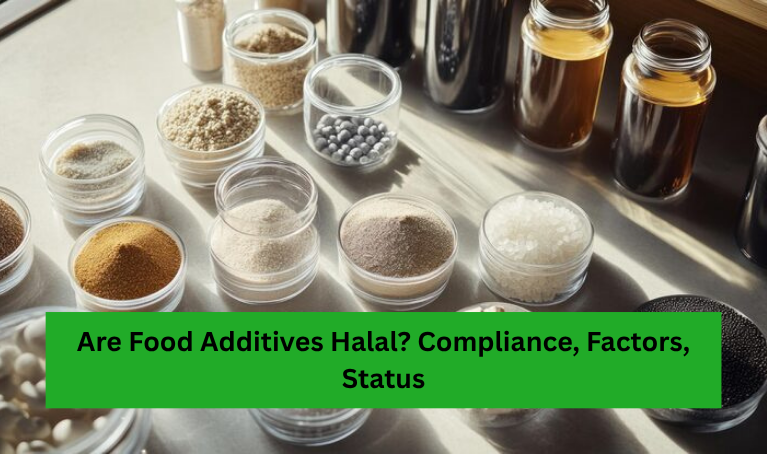
Are Food Additives Halal? Compliance, Factors, Status

Food additives are widely used in modern food production to improve flavor, appearance, texture, and shelf life. For Muslim consumers and businesses, it is essential to determine whether these additives comply with Halal standards under Islamic law. Halal compliance is not limited to the primary ingredients of food; it extends to additives, processing aids, and any substances that come into contact with food during manufacturing. Understanding the Halal status of additives ensures that consumption or use aligns with Shariah requirements and maintains consumer confidence.

Related: Halal vs Non-Halal Products

What Are Food Additives?

Food additives are substances intentionally added to food products to enhance qualities such as flavor, texture, color, preservation, or nutritional value. These include stabilizers, emulsifiers, preservatives, colorings, flavor enhancers, and processing aids. Additives may be derived from plant, animal, or synthetic sources, and their origin determines their permissibility under Halal law. Even small amounts of prohibited substances in additives can render a product non-compliant, making verification and traceability critical for businesses and consumers alike.

Understanding Halal Compliance in Food Ingredients

Halal compliance in food ingredients requires that substances are sourced, processed, and handled in accordance with Islamic law. Ingredients derived from prohibited animals (such as pigs) or containing alcohol are considered Haram. Additionally, cross-contamination with non-Halal substances must be prevented at all stages of production. For additives, compliance also requires documentation of source, processing methods, and any transformation the ingredient undergoes. Regulatory oversight, certification, and adherence to recognized Halal standards help ensure that additives meet these requirements.

Related: Halal Certification Requirements for Food Products

Factors That Determine Whether Food Additives Are Halal or Haram

1. Source of the Additive

The origin of an additive is the primary factor in determining its Halal status. Additives derived from permissible plant sources are generally Halal, whereas those from prohibited animals such as pigs are Haram. Verification of the source through supplier documentation is essential to ensure compliance with Shariah principles.

2. Presence of Alcohol

Additives containing alcohol or produced using alcohol-based solvents are generally considered Haram. Even trace amounts of ethanol may render the additive non-compliant. Businesses must review ingredient specifications and sourcing processes to avoid non-compliant substances.

3. Animal-Derived Ingredients

Additives sourced from animal fats, gelatin, or enzymes require careful evaluation. If derived from non-Halal animals or animals not slaughtered according to Islamic law, the additive is Haram. Halal certification and documentation are necessary to verify permissibility.

4. Transformation or Istihalah

Some additives undergo chemical or physical transformation, known as Istihalah, which can alter their permissibility. Scholars may allow certain transformed substances as Halal if they no longer retain Haram properties. Assessment by qualified authorities is essential to determine acceptability.

Related: Role of Islamic (Fiqh) Experts in Halal Certification

5. Contamination Risk

Cross-contact with Haram substances during production, storage, or transportation can compromise the additive’s Halal status. Facilities must implement strict segregation and cleaning protocols. Continuous monitoring reduces the risk of contamination and ensures compliance.

6. Processing Aids

Substances used as processing aids in the manufacturing process must also be Halal. Even if not present in the final product, they can impact overall compliance if derived from Haram sources. Documentation and verification of all processing aids are critical.

7. Additive Function and Necessity

The purpose and necessity of the additive are also considered. Some scholars recommend limiting additives that could be substituted with Halal alternatives. Ethical sourcing and responsible usage align with Halal and Tayyib principles.

8. Regulatory Standards

Compliance with recognized Halal standards and guidelines ensures additives are evaluated systematically. Certification by accredited bodies strengthens verification. Adherence to standards protects businesses from non-compliance risks.

9. Supplier Transparency

Reliable supplier information is necessary for tracing the origin, processing, and composition of additives. Lack of transparency may lead to uncertainty about Halal status. Businesses should request detailed certificates and ingredient declarations.

10. Documentation and Record-Keeping

Proper record-keeping of sourcing, manufacturing, and quality control supports audit readiness and certification. Documentation provides evidence of compliance and enhances accountability. Continuous monitoring ensures ongoing Halal integrity.

You May Also Like: How to Conduct a Halal Audit

Common Food Additives and Their Halal or Haram Status

AdditiveHalal/HaramReason
GelatinHaram (unless Halal-certified)Derived from pork or non-Halal slaughtered animals
Mono- and Diglycerides (E471)ConditionalHalal if sourced from plant-based or Halal-slaughtered animals
LecithinHalalUsually derived from soy or sunflower seeds; plant-based sources are permissible
GlycerolConditionalHalal if sourced from plants or Halal animal fat; otherwise Haram
EnzymesConditionalMust be from Halal animals or microbial sources; non-Halal animal sources are prohibited
AspartameHalalSynthetic and plant-based, no Haram components
CarrageenanHalalDerived from seaweed; plant-based source makes it permissible
Alcohol-Based FlavorsHaramAlcohol is prohibited in food products under Islamic law
Citric AcidHalalCan be plant-based or microbial, generally acceptable
EmulsifiersConditionalSource must be verified; plant-based usually Halal, animal-based requires certification

How Consumers and Businesses Can Identify Halal Additives

Consumers and businesses can identify Halal additives by checking for certification logos on packaging, reviewing ingredient specifications, and requesting supplier documentation. Certification by a recognized Halal authority confirms that all ingredients, including additives and processing aids, have been verified for compliance. Transparency in labeling and direct communication with manufacturers reduces uncertainty and ensures adherence to Shariah principles. Businesses should implement internal verification processes to maintain consistent Halal integrity across all products.

How NHASA Can Help You

NHASA provides advisory and certification services for food production businesses. Our services include ingredient verification, supplier audits, on-site inspections, documentation review, and Shariah compliance assessment. We help companies establish Halal assurance systems that integrate with quality control and food safety protocols. By partnering with NHASA, businesses gain credible certification, market access, and consumer trust in their Halal products.

Conclusion

Determining the Halal status of food additives requires a careful evaluation of source, processing methods, and potential contamination. Additives derived from Haram sources or containing alcohol are prohibited, while plant-based or Halal-certified alternatives are permissible. Businesses and consumers must rely on proper documentation, certification, and supplier transparency to ensure compliance. Understanding these factors helps maintain the integrity of Halal products and supports confidence in food consumption.

FAQs

Are all food additives Halal?

No. The Halal status depends on the source, processing, and potential contamination of the additive.

Is gelatin always Haram?

Gelatin is Haram if derived from pork or non-Halal-slaughtered animals, but plant-based or Halal-certified gelatin is permissible.

Can synthetic additives be Halal?

Yes. Synthetic or chemically produced additives that do not contain Haram components are generally Halal.

How can businesses ensure additive compliance?

By requesting supplier documentation, verifying sources, and obtaining Halal certification from accredited authorities.

Does Halal certification cover all additives in a product?

Yes, credible Halal certification assesses both primary ingredients and all additives or processing aids for compliance.