The distinction between Halal and non-Halal products is defined by Islamic law (Shariah) and extends across food, beverages, pharmaceuticals, cosmetics, and consumer goods. Halal represents lawful and permissible products that comply with defined religious, ethical, and operational requirements. Non-Halal refers to products that contain prohibited substances, involve unlawful processing methods, or fail to meet Shariah compliance standards. Understanding the difference is essential for Muslim consumers, manufacturers, importers, exporters, and regulatory bodies. This guide provides a structured comparison across major product categories to clarify compliance requirements and practical implications.
What Does Halal Mean?
Halal is an Arabic term meaning “lawful” or “permissible” under Islamic law. In the context of products and consumption, Halal refers to items that comply with Shariah requirements related to ingredients, sourcing, manufacturing, processing, storage, and distribution. Halal compliance also incorporates ethical principles, hygiene standards, and contamination control measures. A product cannot be considered Halal based solely on its primary ingredient; the entire supply chain and operational process must meet defined Islamic guidelines.
What Does Non-Halal Mean?
Non-Halal refers to products that are prohibited (Haram) under Islamic law or fail to meet Halal compliance conditions. This may include products containing pork, alcohol, blood derivatives, improperly slaughtered animals, or cross-contaminated materials. A product may also be considered non-Halal if its source is unknown or if it lacks proper verification. Non-compliance can arise from ingredient composition, manufacturing practices, or storage and transportation methods that compromise Halal integrity.
Halal vs Non-Halal Products: Key Differences
Meat and Poultry
| Criteria | Halal Meat | Non-Halal Meat |
|---|---|---|
| Animal Species | Permissible animals (cattle, sheep, goat, poultry) | Pork, carnivorous animals, prohibited species |
| Slaughter Method | Islamic slaughter (Zabiha) with invocation | No invocation or improper slaughter |
| Blood Drainage | Complete drainage required | Blood may remain or not properly drained |
| Handling | Segregated and contamination-controlled | Mixed with prohibited products |
Halal meat must originate from a permissible species and be slaughtered according to Islamic guidelines, including invocation and proper blood drainage. Non-Halal meat includes pork, improperly slaughtered animals, or meat contaminated with Haram substances. Slaughter supervision and segregation controls are essential for compliance.
Also Read: How to Get Your Slaughterhouse Approved for Halal Exports
Additives and Emulsifiers
| Criteria | Halal Additives | Non-Halal Additives |
|---|---|---|
| Source | Plant-based or Halal-certified animal source | Derived from pork or non-Halal animals |
| Alcohol Content | Alcohol-free or within permissible limits | Contains intoxicating alcohol |
| Enzymes | From Halal-slaughtered animals or microbial | From Haram animal sources |
| Certification | Verified through documentation | No source transparency |
Additives such as emulsifiers, gelatin, enzymes, and flavorings must be carefully verified. Halal additives are derived from permissible sources and supported by documentation. Non-Halal additives may contain pork derivatives, blood plasma, or alcohol-based components that invalidate compliance.
Dairy Products
| Criteria | Halal Dairy | Non-Halal Dairy |
|---|---|---|
| Enzymes (Rennet) | Microbial or Halal-certified animal rennet | Animal rennet from non-Halal slaughter |
| Additives | Verified Halal stabilizers and cultures | Gelatin or enzymes from Haram sources |
| Processing | Segregated production lines | Cross-contaminated facilities |
Dairy products may appear permissible but can become non-Halal due to enzymes or processing aids. Halal dairy production requires verification of rennet, cultures, and stabilizers. Cross-contamination with non-Halal ingredients compromises compliance.
Must Read: Role of Islamic (Fiqh) Experts in Halal Certification
Beverages
| Criteria | Halal Beverages | Non-Halal Beverages |
|---|---|---|
| Alcohol | No intoxicating alcohol | Alcoholic drinks and intoxicants |
| Flavorings | Alcohol-free flavor carriers | Alcohol-based extracts |
| Processing | Clean, segregated facilities | Shared facilities with alcohol |
Halal beverages exclude intoxicants and alcohol-based ingredients. Even small quantities of alcohol used in flavorings may render a beverage non-compliant. Ingredient transparency and production controls are essential for verification.
Pharmaceuticals and Supplements
| Criteria | Halal Pharmaceuticals | Non-Halal Pharmaceuticals |
|---|---|---|
| Capsule Shell | Plant-based or Halal gelatin | Pork-derived gelatin |
| Active Ingredients | Permissible and verified | Derived from Haram sources |
| Alcohol Use | Free from intoxicants | Alcohol-based formulations |
Pharmaceutical products must be assessed for capsule composition, active ingredients, and solvents. Halal-certified options ensure compliance with Shariah requirements. Non-Halal products may contain gelatin or alcohol that compromise permissibility.
Helpful for you: Benefits of Halal Certification for Pharmaceutical Companies
Cosmetics and Personal Care
| Criteria | Halal Cosmetics | Non-Halal Cosmetics |
|---|---|---|
| Animal Derivatives | Permissible and certified | Pork-based collagen or fats |
| Alcohol | Non-intoxicating or compliant | Intoxicating alcohol content |
| Manufacturing | Clean and segregated | Cross-contaminated facilities |
Cosmetics can be classified as non-Halal if they contain pork derivatives or alcohol-based ingredients. Halal cosmetic production requires ingredient transparency and contamination prevention controls.
How to Identify Halal Products
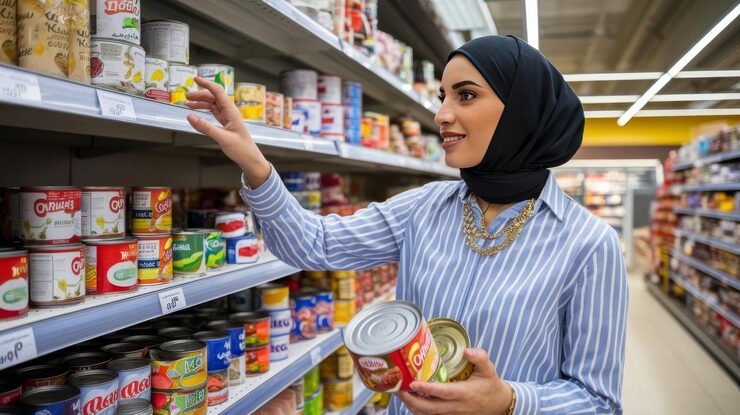
Consumers and businesses can identify Halal products by checking for certification logos issued by recognized Halal certification bodies. The presence of a valid certificate indicates that the product has undergone ingredient review, supply chain verification, and audit assessment. Reviewing ingredient labels and verifying manufacturer declarations also supports informed purchasing decisions. When uncertainty exists, contacting the manufacturer or consulting certification directories provides additional assurance.
Also Read: How to Get Halal Certification in Australia
How NHASA Can Help You
NHASA provides structured Halal certification and advisory services across food, beverages, pharmaceuticals, cosmetics, and consumer goods. Our process includes ingredient verification, supplier assessment, documentation review, on-site audits, and implementation of Halal assurance systems aligned with Shariah and regulatory requirements. We assist businesses in preventing cross-contamination, maintaining traceability, and ensuring continuous compliance. Through recognized certification and supervisory oversight, NHASA supports market access, regulatory adherence, and consumer confidence.
Conclusion
The distinction between Halal and non-Halal products extends beyond simple ingredient differences and encompasses sourcing, processing, contamination control, and documentation. Halal compliance represents a comprehensive system rooted in Islamic law and supported by operational discipline. As global markets expand and consumer awareness increases, structured Halal verification remains essential for businesses seeking credibility and long-term growth.
FAQs
Is a product Halal if it does not contain pork?
Not necessarily. The product must also meet slaughter, ingredient sourcing, and contamination control requirements.
Does Halal certification apply only to food?
No. It also applies to cosmetics, pharmaceuticals, supplements, and other consumer products.
Can a product become non-Halal through contamination?
Yes. Cross-contact with Haram substances can invalidate Halal status.
Is Halal certification mandatory?
It depends on the country and market regulations, especially for exports.
How can businesses ensure compliance?
Through structured documentation, supplier verification, internal controls, and certification by a recognized Halal authority.