
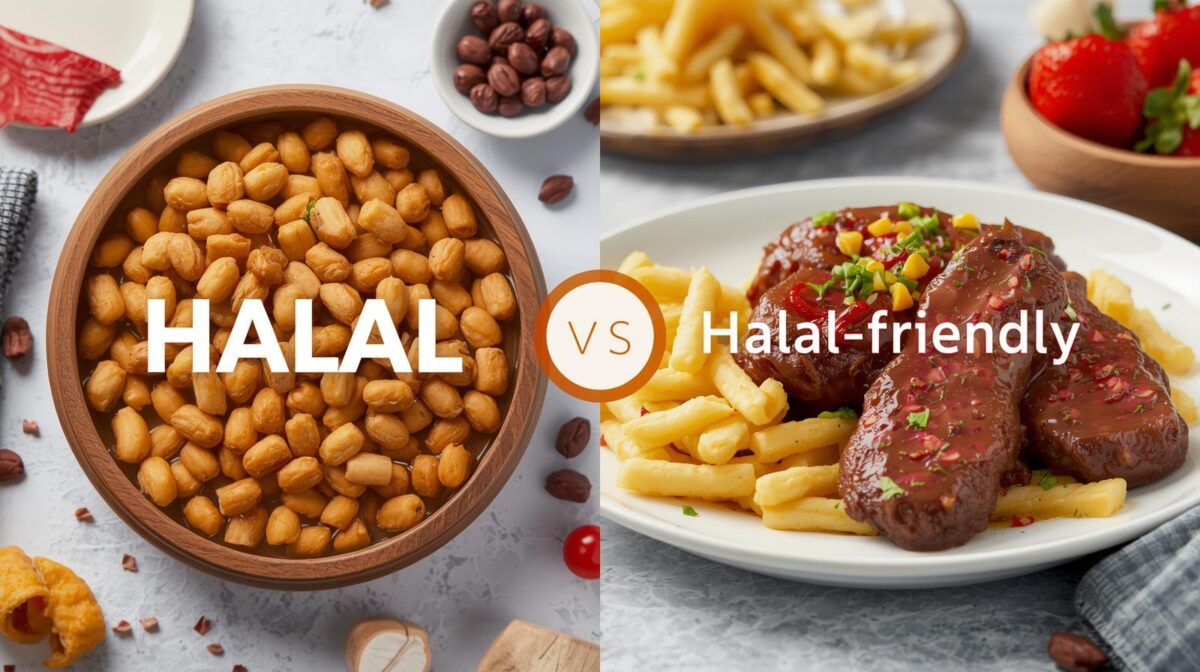
As the global Halal market expands, many businesses and consumers encounter the terms “Halal” and “Halal-friendly.” While these labels may appear similar, they represent very different levels of compliance with Islamic dietary and operational standards. Understanding the distinction is important for Muslim consumers who want assurance that products meet Shariah requirements and for businesses seeking to build credibility in Halal markets. Halal certification is a structured compliance framework that evaluates ingredients, sourcing, processing methods, and contamination controls. In contrast, the term “Halal-friendly” is often used informally to indicate accommodation for Muslim preferences without full religious verification. This guide explains the meaning of both terms and why the difference matters in practical terms.
What Does Halal Mean?
The term “Halal” means lawful or permissible under Islamic law. In the context of food, products, and services, Halal indicates that all ingredients, sourcing methods, production processes, and handling practices comply with Shariah requirements. For food products, this includes permissible animal species, proper Islamic slaughter, absence of prohibited substances such as pork or alcohol, and strict prevention of cross-contamination. Halal compliance also requires documented oversight through recognized certification bodies that conduct audits and verify operational procedures. As a result, Halal labeling represents a verified system of religious and regulatory compliance rather than a general claim of suitability.
Helpful for you: Halal vs Non-Halal Products
What Does Halal-Friendly Mean?
Halal-friendly is an informal term used to describe products, services, or environments that attempt to accommodate Muslim consumers but do not necessarily meet full Halal certification requirements. Businesses may use the label to indicate that they offer some Halal options, avoid certain prohibited ingredients, or provide facilities suitable for Muslim customers. However, Halal-friendly claims typically lack formal verification, documented audits, or structured compliance controls. Because the term is not regulated in many jurisdictions, its interpretation can vary widely between businesses and industries.
10 Key Differences Between Halal and Halal-Friendly
1. Certification and Verification
Halal products are formally certified by recognized authorities with audits, documentation, and ingredient checks. Halal-friendly products generally lack independent verification and rely on internal assurances. Certification ensures consistent compliance with Shariah standards. Halal-friendly labeling does not guarantee verified adherence.
2. Ingredient and Source Control
Halal-certified products verify all ingredients, including additives and processing aids, for permissible sources. Halal-friendly items may avoid obvious prohibited substances but lack full traceability. Certification ensures every component meets Shariah requirements. Halal-friendly products leave some sources uncertain.
3. Production and Contamination Controls
Halal certification requires strict segregation, cleaning protocols, and operational procedures to prevent cross-contamination. Halal-friendly practices often lack structured controls or dedicated lines. Certification ensures integrity across all production stages. Halal-friendly labeling cannot fully guarantee purity.
Also Read: Ways Halal Certification Increases Revenues
4. Religious Oversight
Halal-certified products are reviewed by Shariah advisors and regularly audited for compliance. Halal-friendly products usually have no religious supervision or structured review. Certification ensures both operational and spiritual compliance. Halal-friendly items rely mainly on informal claims.
5. Labeling and Transparency
Halal-certified products display verified marks and clear labeling to confirm compliance. Halal-friendly products may use descriptive labels without independent verification. Certification logos indicate authenticity. Halal-friendly claims offer limited consumer assurance.
6. Consumer Trust
Certification provides Muslim consumers confidence in ingredient sourcing, processing, and hygiene. Halal-friendly labeling gives partial reassurance but lacks formal verification. Certified products reduce uncertainty for buyers. Trust in certification is critical for market acceptance.
Must Read: Role of Islamic (Fiqh) Experts in Halal Certification
7. Compliance Consistency
Halal certification ensures adherence to standards across batches through audits and monitoring. Halal-friendly practices may vary between batches or facilities. Certification creates uniform compliance. Halal-friendly items may lack consistent controls.
8. Market Access and Recognition
Certified Halal products gain access to Muslim-majority markets and regulated trade networks. Halal-friendly products may face market limitations due to lack of verification. Certification strengthens credibility. Halal-friendly labeling is less recognized.
9. Legal and Regulatory Assurance
Halal certification aligns with national and international Halal regulations, reducing legal risk. Halal-friendly labeling may not meet legal standards. Certification ensures operational legitimacy. Halal-friendly claims carry more uncertainty.
10. Risk Management
Certified Halal products implement structured risk assessment to prevent contamination and ensure compliance. Halal-friendly items may lack formal risk controls. Certification allows proactive management. Halal-friendly labeling leaves potential gaps.
You May Also Like: How to Get Halal Certification in Australia
Industries Where the Halal vs Halal-Friendly Debate Appears
- Food and Beverage Manufacturing: Processed foods, snacks, confectionery, and ready-to-eat meals often use ingredients and additives that require verification.
- Restaurants and Catering Services: Menu offerings may claim Halal-friendly options without full certification, leading to varying compliance standards.
- Cosmetics and Personal Care Products: Lotions, creams, and lipsticks may contain animal-derived ingredients, prompting scrutiny over Halal claims.
- Pharmaceuticals and Healthcare Products: Capsules, syrups, and supplements sometimes contain gelatin or alcohol-based excipients that affect Halal compliance.
- Tourism and Hospitality Services: Hotels, resorts, and airlines providing food and beverages for Muslim travelers must differentiate between certified Halal and Halal-friendly options.
- Food Delivery Platforms and Online Marketplaces: Aggregators listing multiple vendors may offer Halal-friendly products without verifying authenticity or certification.
How NHASA Can Help You
NHASA provides structured Halal certification and advisory services to help businesses achieve full compliance with Islamic dietary and operational standards. Our process includes ingredient verification, documentation review, facility audits, and implementation of Halal assurance systems designed to prevent contamination and ensure transparency. By working closely with manufacturers, restaurants, and service providers, NHASA supports organizations in transitioning from informal Halal-friendly claims to recognized Halal certification. This structured approach strengthens regulatory compliance, enhances consumer trust, and enables access to global Halal markets.
Conclusion
The difference between Halal and Halal-friendly lies primarily in the level of verification and compliance. Halal certification represents a structured system of ingredient control, operational oversight, and religious accountability. Halal-friendly labeling, on the other hand, generally indicates an attempt to accommodate Muslim consumers without full certification. For Muslim consumers seeking assurance and for businesses aiming to build credibility in Halal markets, understanding this distinction is essential.
FAQs
Is Halal-friendly the same as Halal?
No. Halal-friendly usually means a product or service attempts to accommodate Muslim preferences but does not necessarily meet full Halal certification standards.
Why is Halal certification important?
Certification provides independent verification that products comply with Islamic dietary laws and operational requirements.
Can Halal-friendly restaurants serve Halal food?
Some may offer Halal options, but without certification it may be difficult to verify ingredient sourcing and preparation controls.
How can consumers verify Halal products?
Consumers should look for recognized Halal certification marks and verify the certification body when possible.
Can businesses transition from Halal-friendly to Halal-certified?
Yes. Businesses can implement compliance systems and obtain certification through recognized Halal authorities.
Certifying a product, not just checking a label?
If you make or sell food in Australia, “halal-friendly” will not satisfy a retailer, an importer or an export market. Certification will.
How certification worksTalk to us