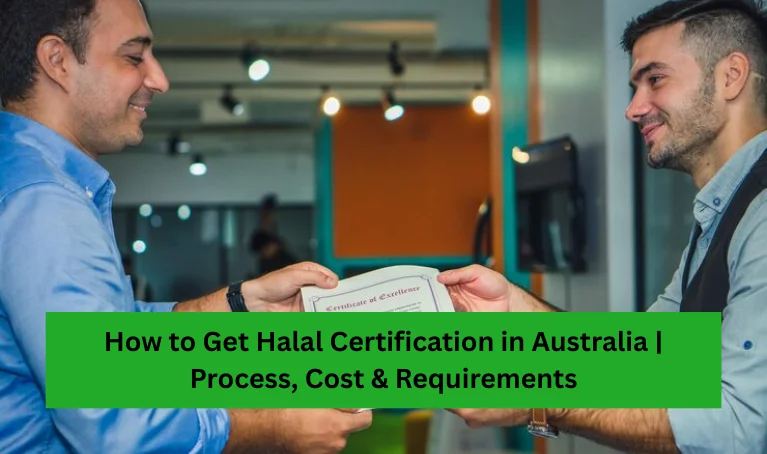
Have you ever wondered what it takes to certify your products or services as Halal in Australia? Do you want to reassure your customers and expand into international Halal markets confidently? Halal certification is a formal process that ensures your business follows Islamic law across sourcing, manufacturing, handling, and storage. In addition, it is no longer limited to food and beverages; it applies to pharmaceuticals, cosmetics, logistics, and more. By obtaining certification, businesses can improve transparency, gain consumer trust, and open doors to new opportunities. However, navigating the process without guidance can be confusing, time-consuming, and stressful. Fortunately, with the right approach, it can become a smooth and rewarding journey.
Who Needs Halal Certification?
Not every business needs Halal certification, but for those serving Muslim consumers or exporting to Halal-regulated markets, it is crucial. The main types of businesses include:
- Food and Beverage Manufacturers: These businesses require Halal certification to prove that all ingredients, processing, and packaging meet Halal standards. Certification reassures customers that products are safe and compliant.
- Restaurants and Catering Services: Certification helps restaurants and caterers show that meals are prepared and served following strict Halal guidelines. This builds customer trust and encourages repeat business.
- Pharmaceutical Companies: Halal certification ensures medicines, supplements, and other healthcare products are free from Haram ingredients. It also helps comply with regulatory requirements in Halal-sensitive markets.
- Cosmetics and Personal Care Producers: Producers of skincare, makeup, and hygiene products need Halal certification to verify ethical and compliant sourcing of ingredients, ensuring consumer confidence and global acceptance.
- Logistics and Supply Chain Providers: Companies handling Halal products must maintain certification to ensure segregation, prevent contamination, and guarantee that products remain compliant throughout transit and storage.
- Export-Focused Businesses: Businesses selling internationally benefit from certification because it meets import regulations in Muslim-majority countries and increases credibility with distributors and retailers.
Halal Certification Bodies in Australia
Understanding who issues Halal certification is key for businesses. In Australia, certification is provided by:
- Government-Recognised Halal Authorities: These official bodies follow strict guidelines and international standards. They oversee audits, inspections, and final certification issuance to ensure compliance with Shariah law.
- Official Islamic Councils or Boards: Recognized Islamic authorities conduct detailed compliance assessments and verify ingredient sourcing, facility hygiene, and production practices. Their approval is widely accepted locally and internationally.
- Halal Certification Companies: While these private companies do not issue certificates themselves, they assist businesses in preparing documentation, conducting audits, and achieving readiness. Working with them makes the process faster and reduces errors.
Requirements for Halal Certification in Australia
To successfully achieve Halal certification, businesses must meet several operational and documentation requirements:
- Internal Audits and Compliance Checks: Regular self-audits help identify gaps and correct non-compliance before external inspections, reducing the risk of delays or failed audits.
- Complete Documentation: Include a detailed list of ingredients, supplier Halal certificates, production flowcharts, and standard operating procedures. This ensures transparency and audit readiness.
- Hygiene and Cleaning Standards: Facilities must maintain proper cleaning protocols and storage systems to prevent cross-contamination with non-Halal items, ensuring products remain compliant.
- Staff Training and Awareness: Employees should be trained on Halal principles, operational procedures, and hygiene requirements. Documenting training helps during audits and ensures ongoing compliance.
- Traceability and Record-Keeping: Maintain detailed records of ingredients, suppliers, processes, and audits. Proper record-keeping ensures accountability and facilitates smooth inspections.
Also Read: What Is Halal Certification?
How to Get Halal Certification in Australia — Step-by-Step
1. Identify Your Certification Scope
Start by deciding which products, services, or production lines require Halal certification. This step ensures that only relevant operations are audited, saving time and effort. Additionally, defining the scope clearly helps you avoid unnecessary costs later and makes the audit process smoother.
2. Conduct a Compliance Gap Analysis
Before applying, review your processes, ingredients, and facility to identify areas that may not meet Halal standards. A gap analysis highlights non-compliant materials or practices and allows you to fix them proactively. As a result, it reduces the risk of failing audits or needing multiple reviews.
3. Verify Ingredients and Suppliers
Next, ensure all ingredients and raw materials are Halal-certified and sourced from approved suppliers. Check for any animal-derived products, additives, or processing aids that could be problematic. Clear verification of suppliers not only satisfies the auditors but also builds supply chain transparency.
Helpful for you: Benefits of Halal Certification for Pharmaceutical Companies
4. Implement Halal-Compliant Processes
Make necessary adjustments in your manufacturing and handling processes. This includes segregating Halal and non-Halal items, updating cleaning schedules, and documenting every step. By maintaining consistent processes, you demonstrate commitment to Halal compliance and reduce operational risk.
5. Train Your Staff
Employees should understand Halal principles, handling procedures, and hygiene requirements. Conduct formal training sessions and maintain records of attendance. Well-informed staff prevent accidental non-compliance and provide confidence during audits.
6. Prepare and Organize Documentation
Accurate documentation is essential for a smooth certification process. Compile ingredient lists, SOPs, process flow diagrams, and supplier certificates in an organized manner. Well-prepared documentation ensures faster audits and avoids delays.
Must Read: Why Halal Certification is Important for Businesses
7. Submit the Application
Once preparation is complete, submit the application to the Halal authority along with all required documents. Double-check for completeness because missing or incorrect information can slow down approval.
8. Undergo On-Site Audit
Auditors will visit your facility to inspect processes, storage, and hygiene practices. They will verify documentation against real-world practices and note any non-compliances. Clear preparation and staff readiness ensure a smoother audit experience.
9. Correct Non-Conformities
If auditors identify issues, implement corrective actions immediately and provide evidence. Prompt and thorough corrections demonstrate your commitment to Halal standards and improve the likelihood of approval.
10. Receive Certification and Maintain Compliance
Finally, once approved, you receive your Halal certificate. Certification must be maintained through ongoing compliance, record-keeping, and annual renewals. Continuous monitoring ensures long-term validity and trust from customers and regulators.
Cost of Halal Certification in Australia
| Business Type | Estimated Cost (AUD) | Notes |
|---|---|---|
| Small Food Business | $2,000 – $4,000 | Covers basic audit and documentation fees |
| Medium Manufacturing | $4,000 – $8,000 | Includes staff training and process adjustments |
| Large Facility | $8,000 – $15,000 | Covers complex audits and multiple product lines |
| Export-Focused Business | $10,000+ | Additional for international market compliance |
Costs vary based on product complexity, facility size, and audit requirements. Careful planning can reduce unexpected expenses.
Timeline for Halal Certification Approval
| Stage | Duration |
|---|---|
| Preparation & Gap Analysis | 2–4 weeks |
| Documentation & Application | 1–2 weeks |
| Audit Scheduling | 1–3 weeks |
| On-Site Audit | 1 week |
| Corrections (if needed) | 1–4 weeks |
| Final Certificate Issuance | 1 week |
The total process usually takes 6–12 weeks depending on readiness and audit complexity. Early preparation can significantly shorten timelines.
How NHASA Can Help You
If you feel unsure about the process, NHASA can help. As a trusted Halal certification company in Australia, we guide businesses through every step — from gap analysis and ingredient verification to audit readiness and documentation support. Our team ensures you avoid delays, reduce errors, and maintain long-term compliance. With NHASA’s guidance, you can confidently achieve certification and strengthen your brand credibility in both local and international Halal markets.
Conclusion
Obtaining Halal certification in Australia is a strategic step for businesses seeking ethical compliance, consumer trust, and market expansion. While the process may seem complex, careful preparation and professional guidance make it achievable and rewarding. By understanding requirements, preparing documentation, and following a structured audit process, businesses can secure certification smoothly. Partnering with NHASA further simplifies the journey, ensuring long-term compliance and sustainable growth.
FAQs
It is not legally required, but essential for exporting or targeting Halal-regulated markets.
Most certificates are valid for one year and require annual renewal.
Yes, it applies to pharmaceuticals, cosmetics, logistics, and service industries as well.
Yes, certification ensures compliance with international Halal market standards.
Yes, failure to maintain compliance or audit standards may result in suspension or cancellation.